
Planets of the Solar System: Characteristics and Classification
This page provides a comprehensive overview of the eight planets in our solar system. The planets are divided into two primary groups based on their physical composition and their distance from the Sun: the Terrestrial Planets and the Jovian Planets (Gas and Ice Giants).
This distinction is fundamental to understanding the formation and evolution of our solar system.
1. Classification of the Planets
A. The Terrestrial Planets (Inner Solar System)
These four planets – Mercury, Venus, Earth, and Mars – consist primarily of rock and metal. They are characterized by their relatively high density, solid surfaces, and a low number of moons. Their formation occurred in the hot, inner zone of the proto-planetary disk, which prevented the accumulation of volatile, light elements.
| Planet | Density (g/cm³) | Atmosphere |
|---|---|---|
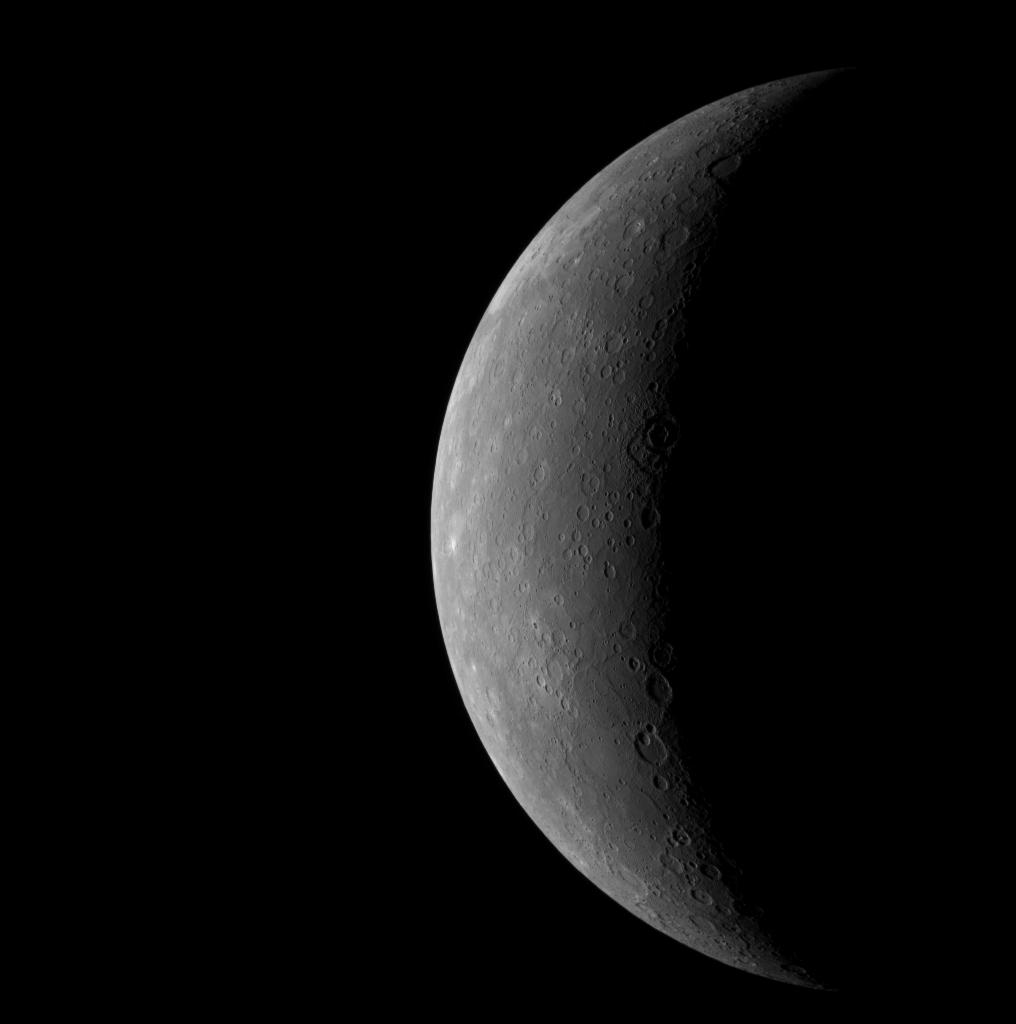 Mercury
|
5.43 | Practically none (Exosphere) |
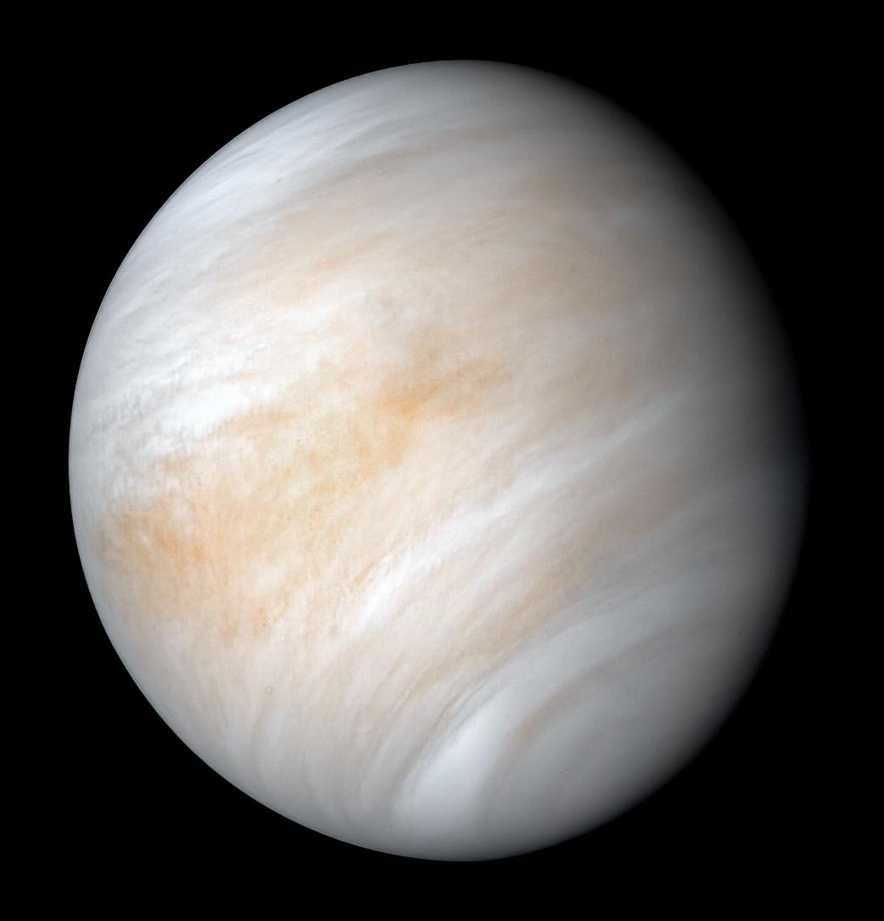 Venus
Venus
|
5.24 | Dense CO2 atmosphere |
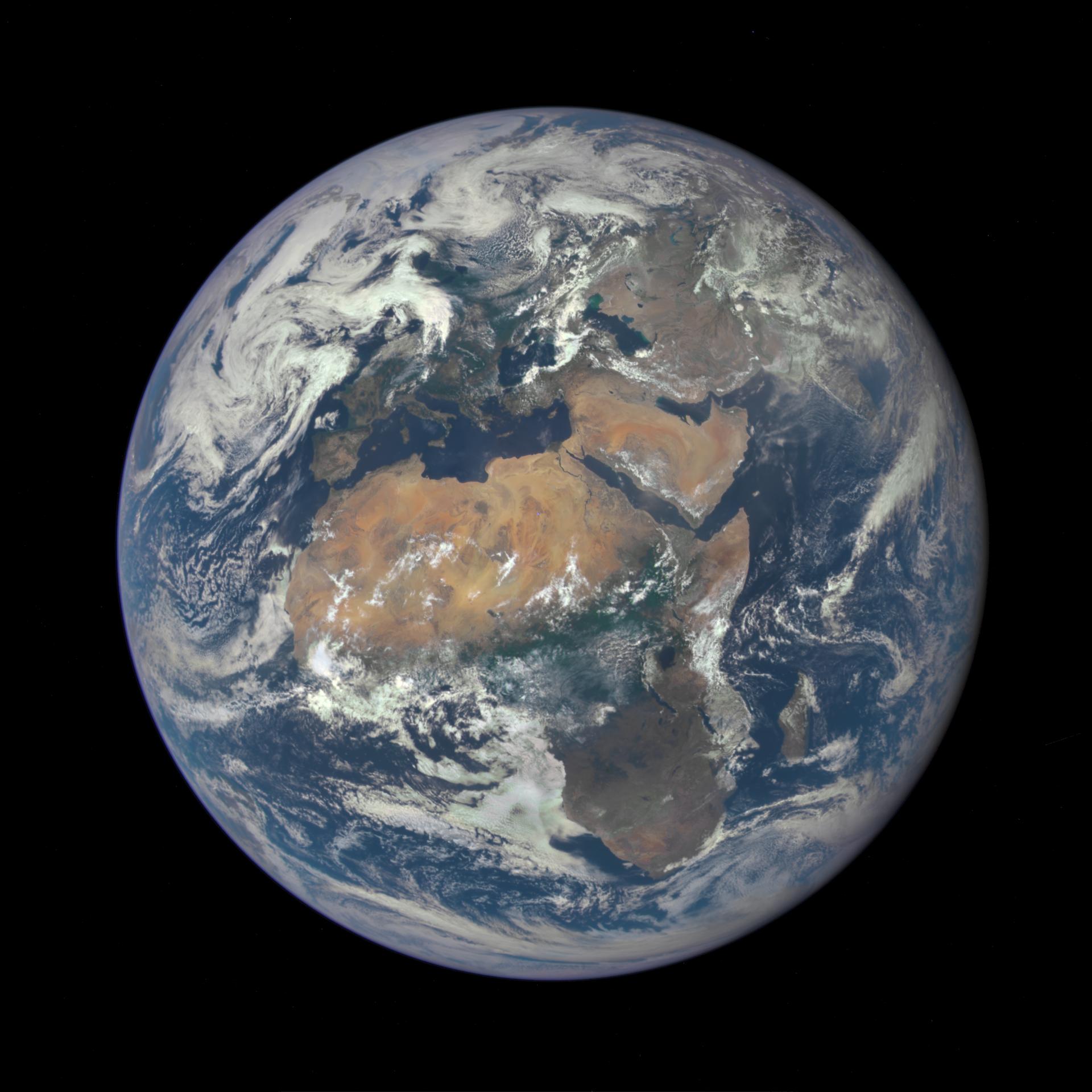 Earth
Earth
|
5.51 | Nitrogen, Oxygen, Argon |
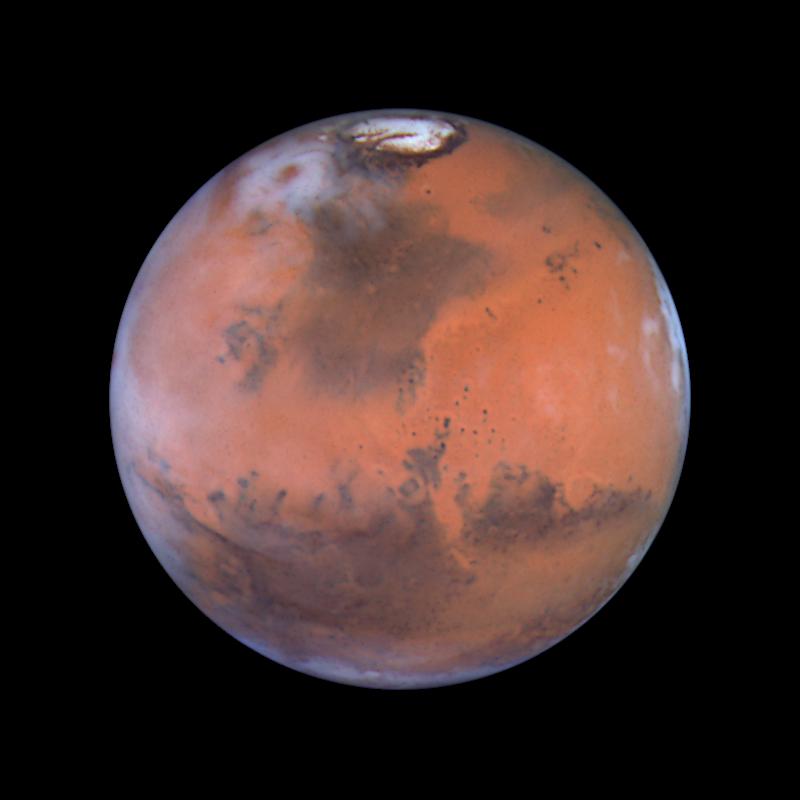 Mars
Mars
|
3.93 | Thin CO2 atmosphere |
B. The Jovian Planets (Outer Solar System)
The four giant planets (Jupiter-like or Jovian planets) – Jupiter, Saturn, Uranus, and Neptune – are gaseous or icy celestial bodies with low density, massive atmospheres (mainly hydrogen and helium), complex ring systems, and a vast number of moons.
Their key characteristics and classification as gas or ice giants are shown below:
| Planet | Density (g/cm³) | Main Atmosphere | Classification |
|---|---|---|---|
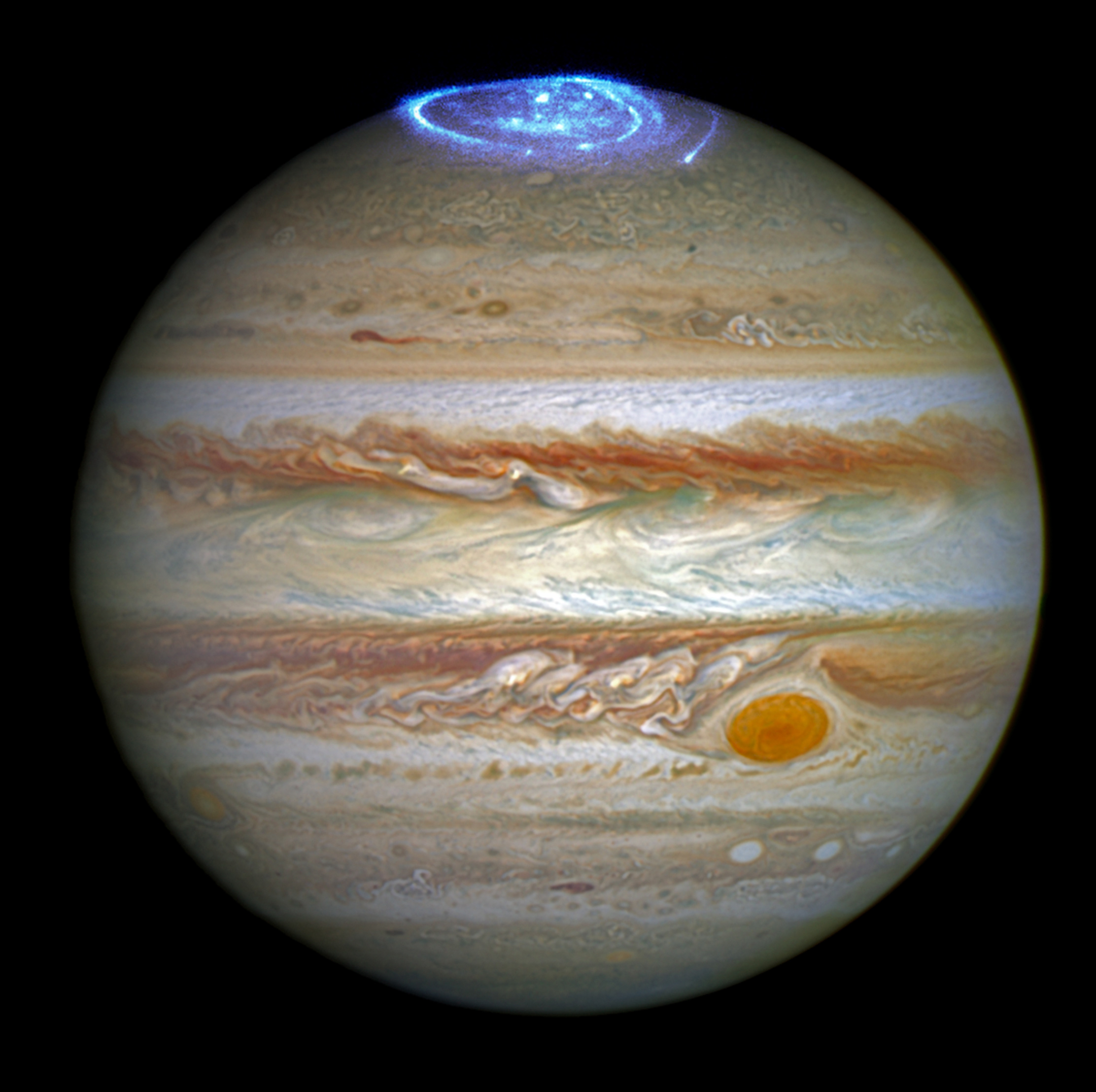 Jupiter
| 1.33 | Hydrogen, Helium | Gas Giant |
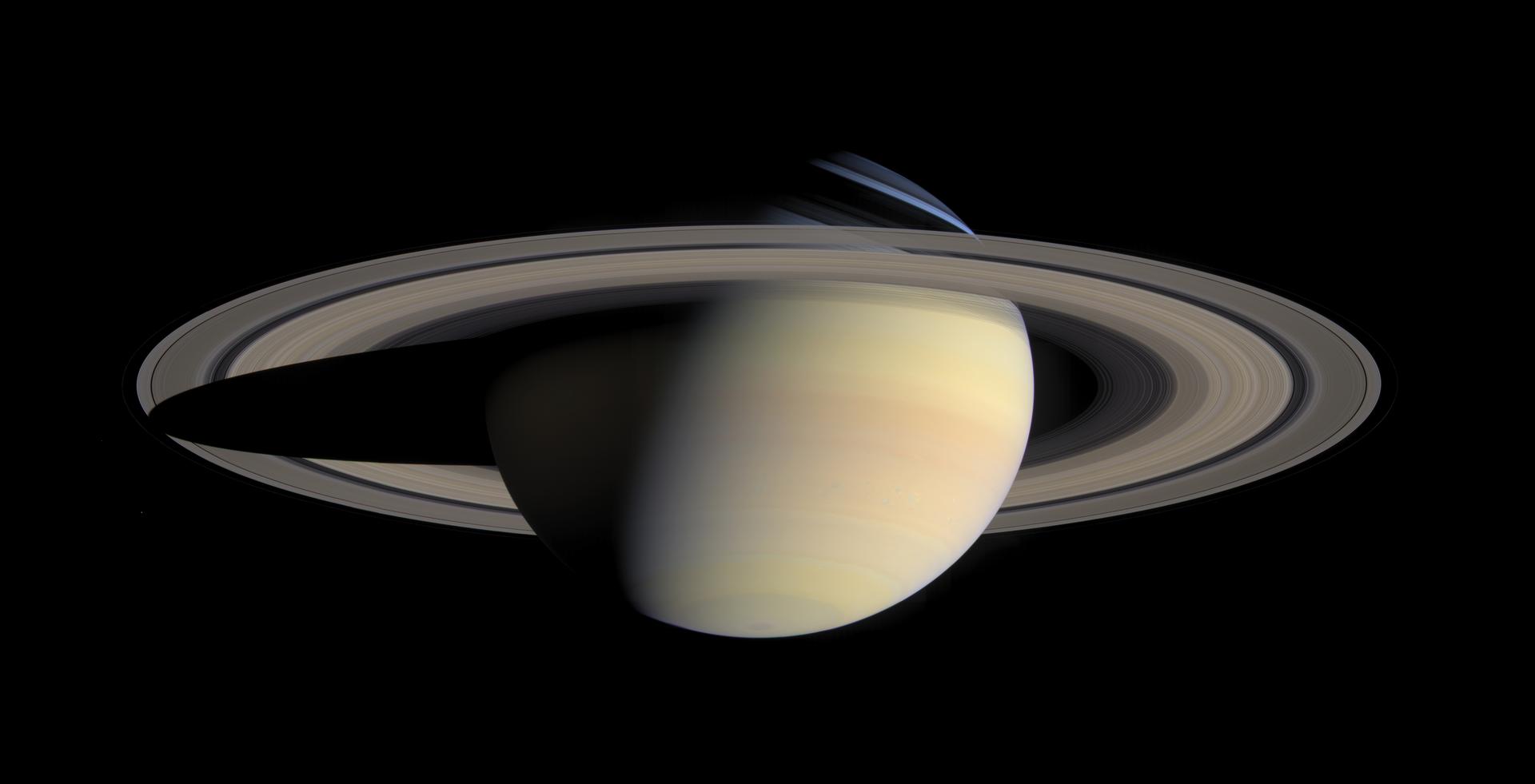 Saturn
| 0.69 | Hydrogen, Helium | Gas Giant |
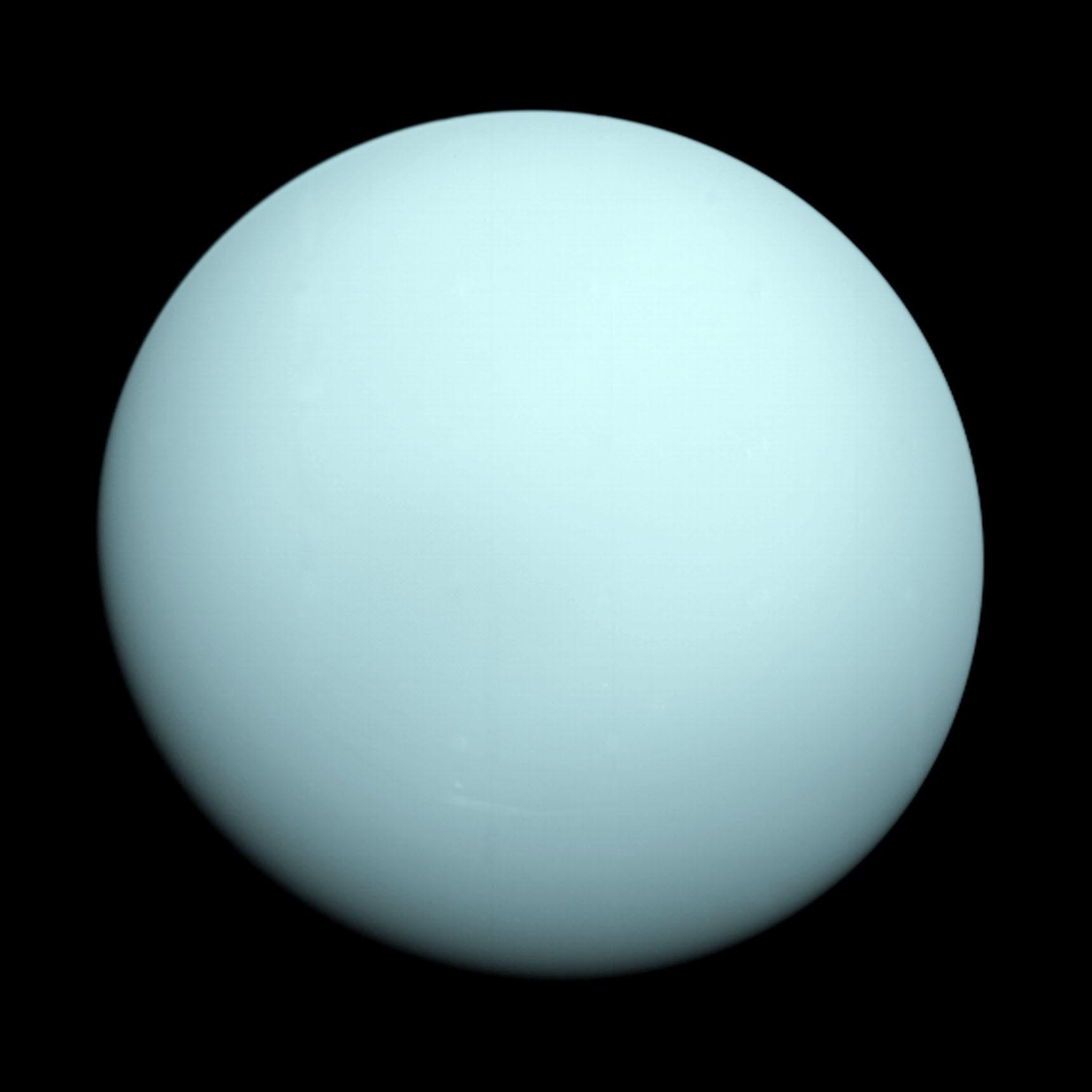 Uranus
| 1.27 | Hydrogen, Helium, Methane | Ice Giant |
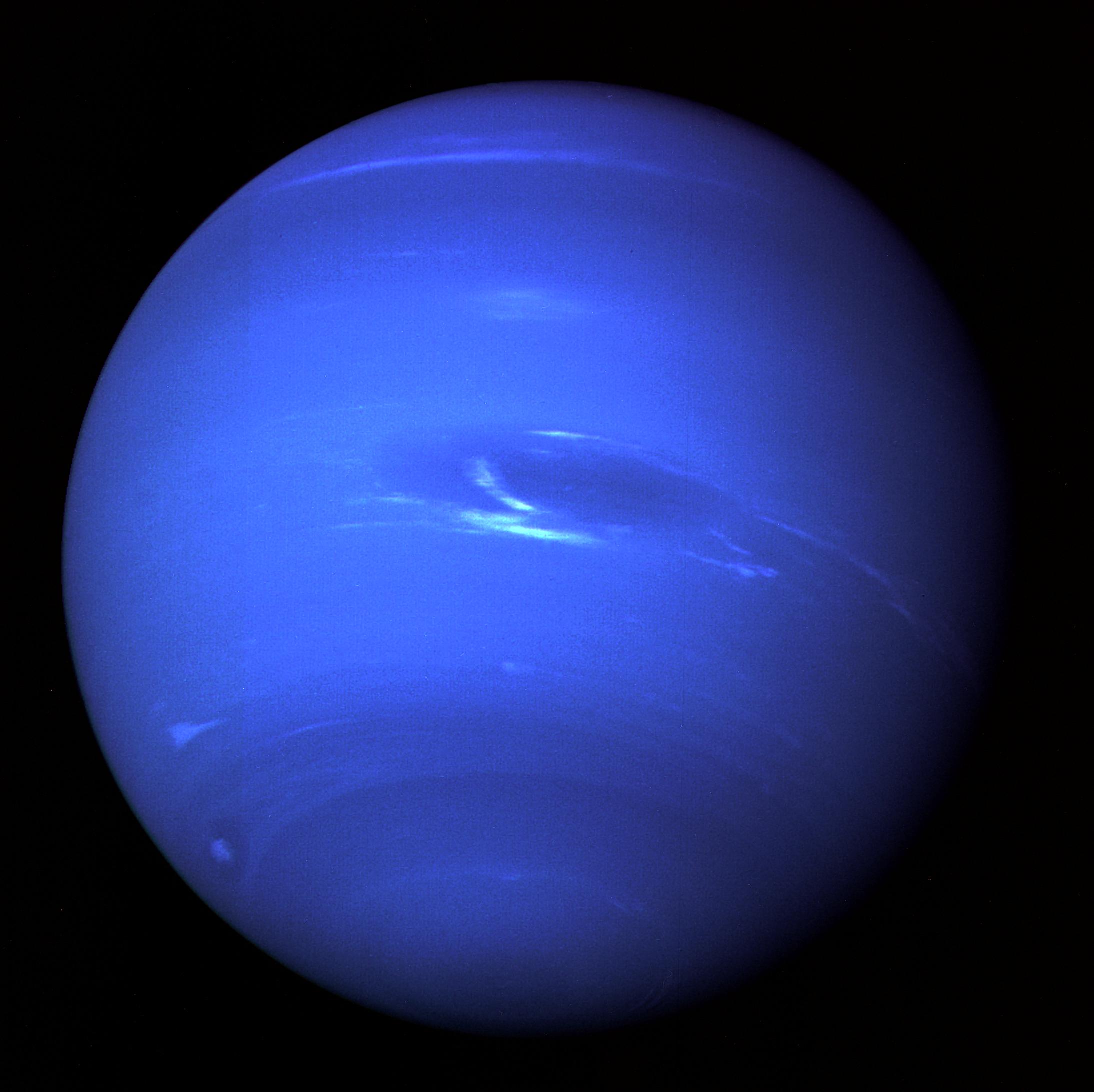 Neptune
| 1.64 | Hydrogen, Helium, Methane | Ice Giant |
2. Detailed Overview of the Eight Planets
The following table lists the eight planets with their key features and their position in the solar system. Each planet is linked to its detailed subpage.
| Planet | Key Feature | Orbital Period (Earth Years) | Diameter (Earth = 1) |
|---|---|---|---|
|
Mercury
|
Extreme day/night temperature differences. | 0.24 | 0.38 |
|
Venus
|
Intense greenhouse effect, hottest surface. | 0.62 | 0.95 |
|
Earth
|
Only planet with liquid water on the surface. | 1.00 | 1.00 |
|
Mars
|
Tallest mountain (Olympus Mons); target of future missions. | 1.88 | 0.53 |
|
Jupiter
|
Largest planet; massive Great Red Spot. | 11.86 | 11.2 |
|
Saturn
|
Most prominent ring system made of ice particles. | 29.46 | 9.45 |
|
Uranus
|
Rotates almost on its side (axial tilt 180°). | 84.01 | 4.01 |
|
Neptune
|
Most distant gas giant; strongest winds in the solar system. | 164.79 | 3.88 |
3. Current Highlights and Missions
The exploration of the planets is a continuous process. Current missions and scientific findings advance our understanding daily.
- The Europa Clipper Mission: One of NASA’s most significant missions, launched in 2024 to study Jupiter’s moon Europa. Europa is considered a prime candidate for the existence of sub-glacial oceans and potential life.
- Mars Exploration: Current rovers on Mars are providing critical data about the planet’s geological history and the conditions that may have supported life billions of years ago.
* All images on this page: Credit NASA / JPL