
The Solar System: An Overview of Planets and Structure
The Sun is the center of the Solar System. It’s a G-type main-sequence star, and encompasses every object gravitationally bound to it. This includes the eight major planets, dwarf planets, asteroids, and comets.
This page provides a detailed overview of the eight planets and the classification system used to categorize all bodies in our cosmic neighborhood.
Zones of the Solar System
The Solar System is organized into three primary regions, each defined by its proximity to the Sun and the thermal characteristics of its matter:
- The Inner Zone (Terrestrial Planets): This region contains the four rocky planets—Mercury, Venus, Earth, and Mars. These worlds are characterized by high density and a lack of volatile gases due to their proximity to the Sun’s heat.
- The Middle Zone (Asteroid Belt and Gas Giants): Stretching from the Main Asteroid Belt to the orbit of the furthest planet, this region is dominated by the massive gas and ice giants: Jupiter, Saturn, Uranus, and Neptune.
- The Outer Zone (Trans-Neptunian Objects): This vast expanse beyond Neptune includes the Kuiper Belt—the primary home of many dwarf planets and short-period comets—and the distant Oort Cloud, which serves as the origin for long-period comets.
The Eight Major Planets
The planets are broadly divided into two groups based on their composition and distance from the Sun: Terrestrial (rocky) and Jovian (gas/ice giants).
Terrestrial Planets (Inner Solar System)
These four planets are primarily composed of rock and metal, possess high density, and have few or no moons.
| Planet | Key Feature | Avg. Distance (AU) | Composition |
|---|---|---|---|
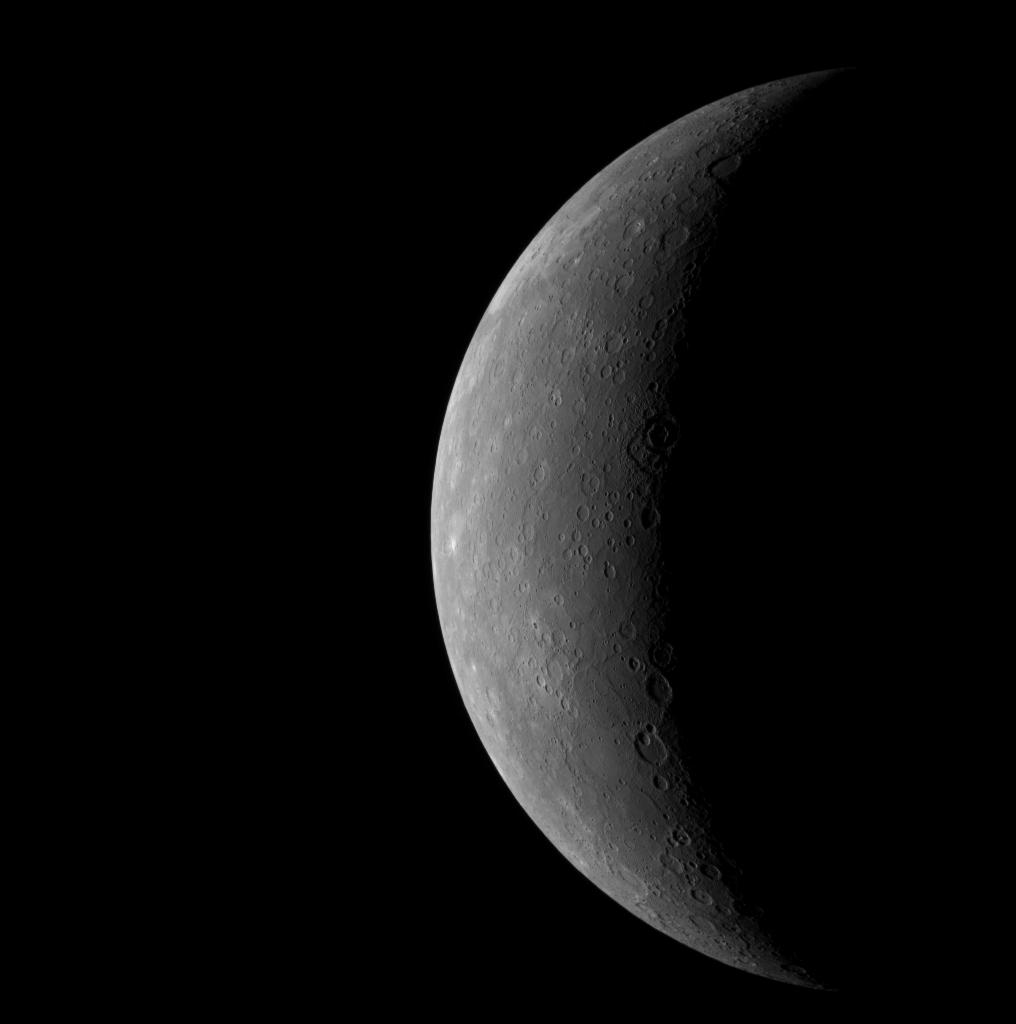 Mercury
|
Smallest planet; extreme temperature variations. | 0.4 AU | Rock, Iron |
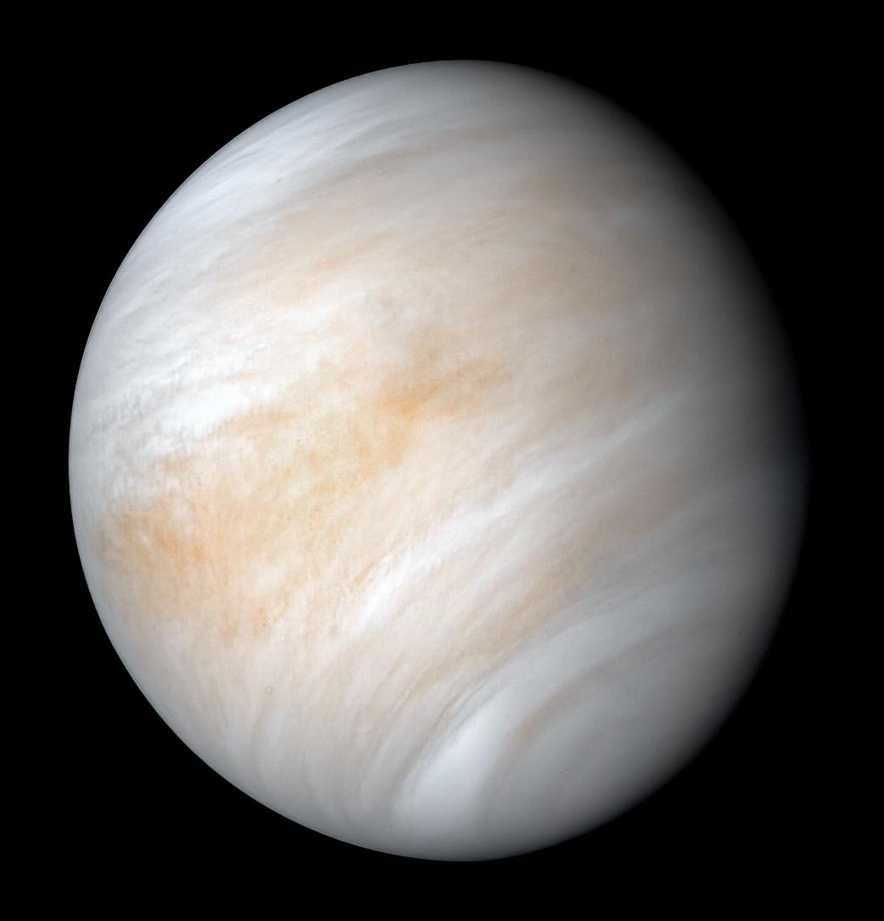 Venus
Venus
|
Hottest planet; dense CO2 atmosphere causing a runaway greenhouse effect. | 0.7 AU | Rock, CO2 Atmosphere |
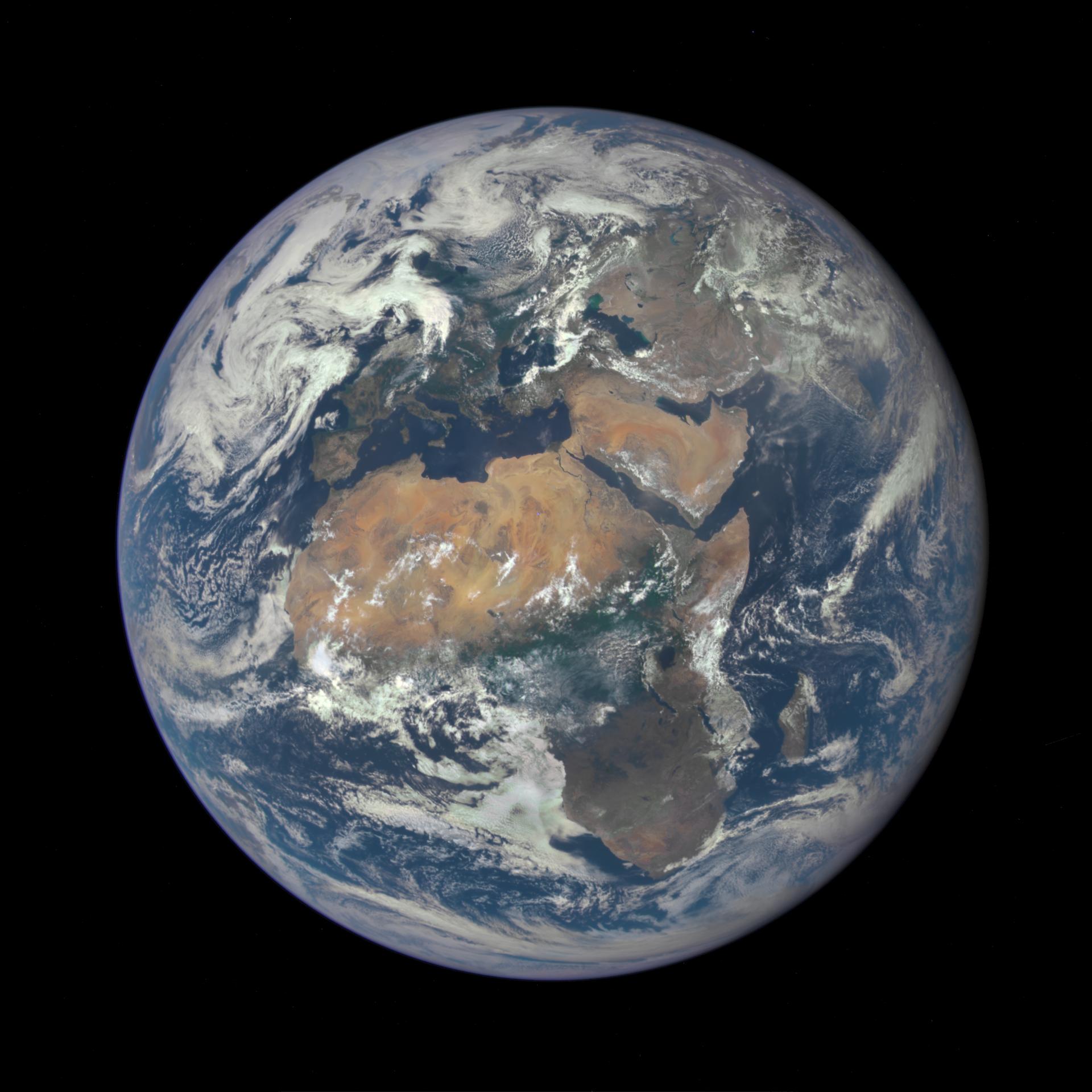 Earth
Earth
|
Only known planet to harbor life; possesses liquid water. | 1.0 AU | Rock, Water, Nitrogen/Oxygen |
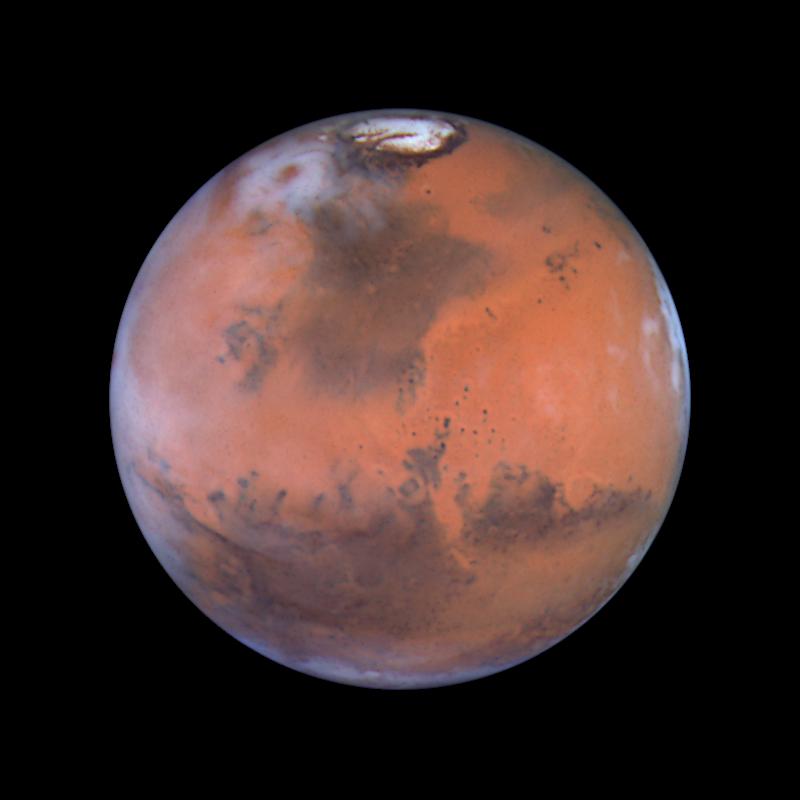 Mars
Mars
|
The “Red Planet”; home to the largest volcano (Olympus Mons). | 1.5 AU | Rock, Iron oxides |
Jovian Planets (Outer Solar System)
These four planets are massive and possess thick atmospheres of hydrogen and helium, extensive ring systems, and numerous moons.
| Planet | Key Feature | Avg. Distance from Sun (AU) | Composition |
|---|---|---|---|
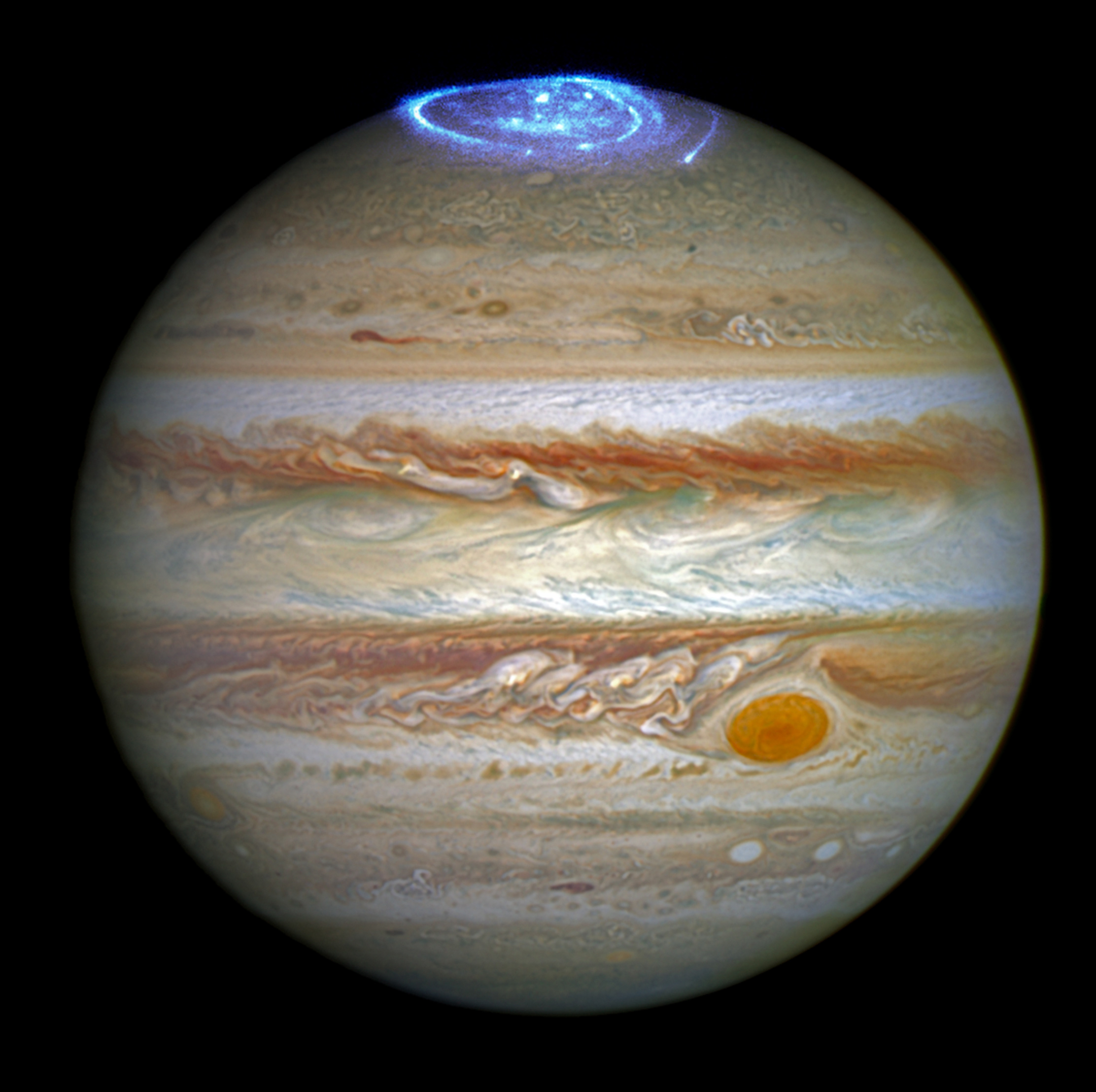 Jupiter
|
Largest planet; massive Great Red Spot (an anticyclonic storm). | 5.2 AU | Hydrogen, Helium |
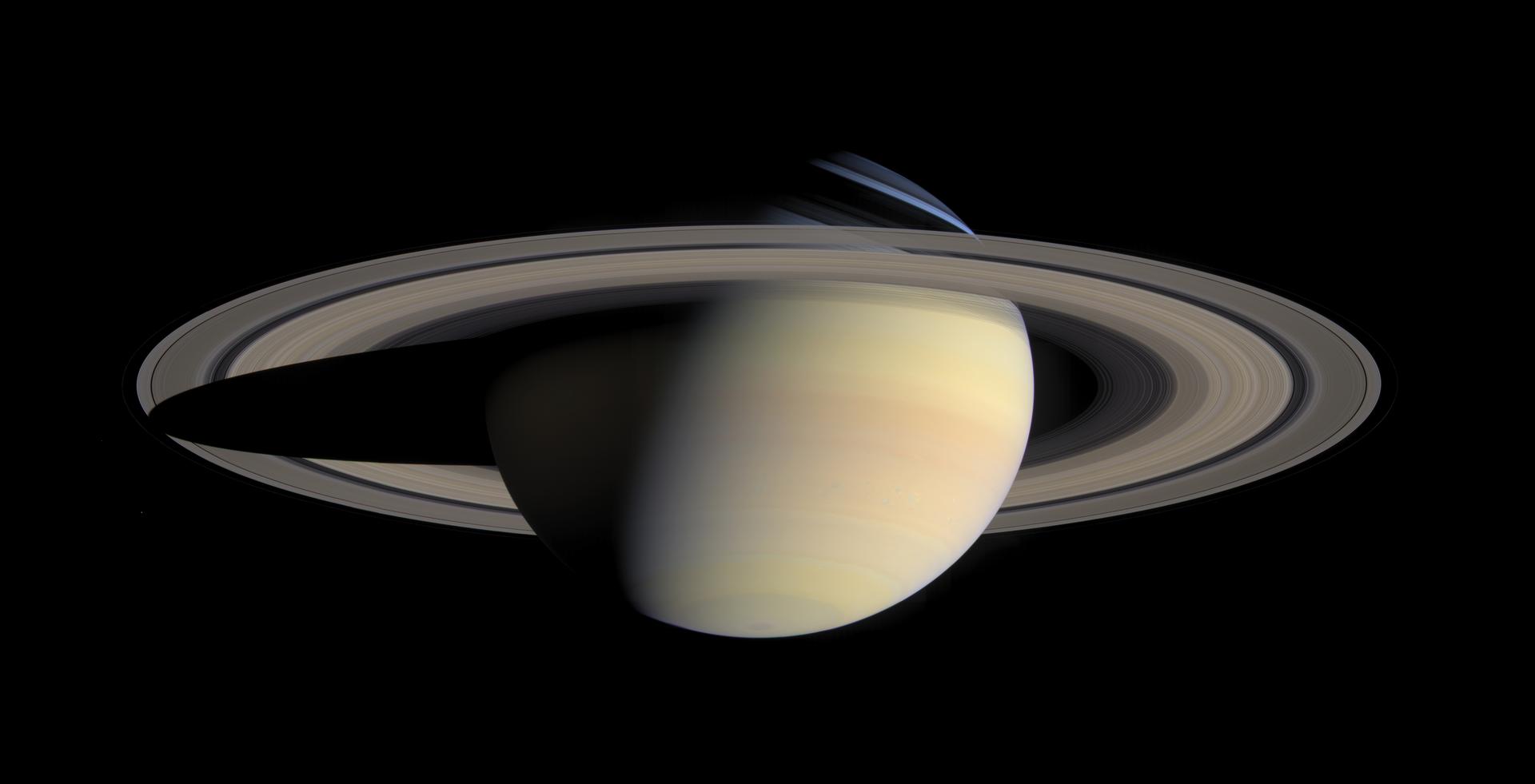 Saturn
|
Famous for its complex and visible ring system. | 9.5 AU | Hydrogen, Helium, Ice |
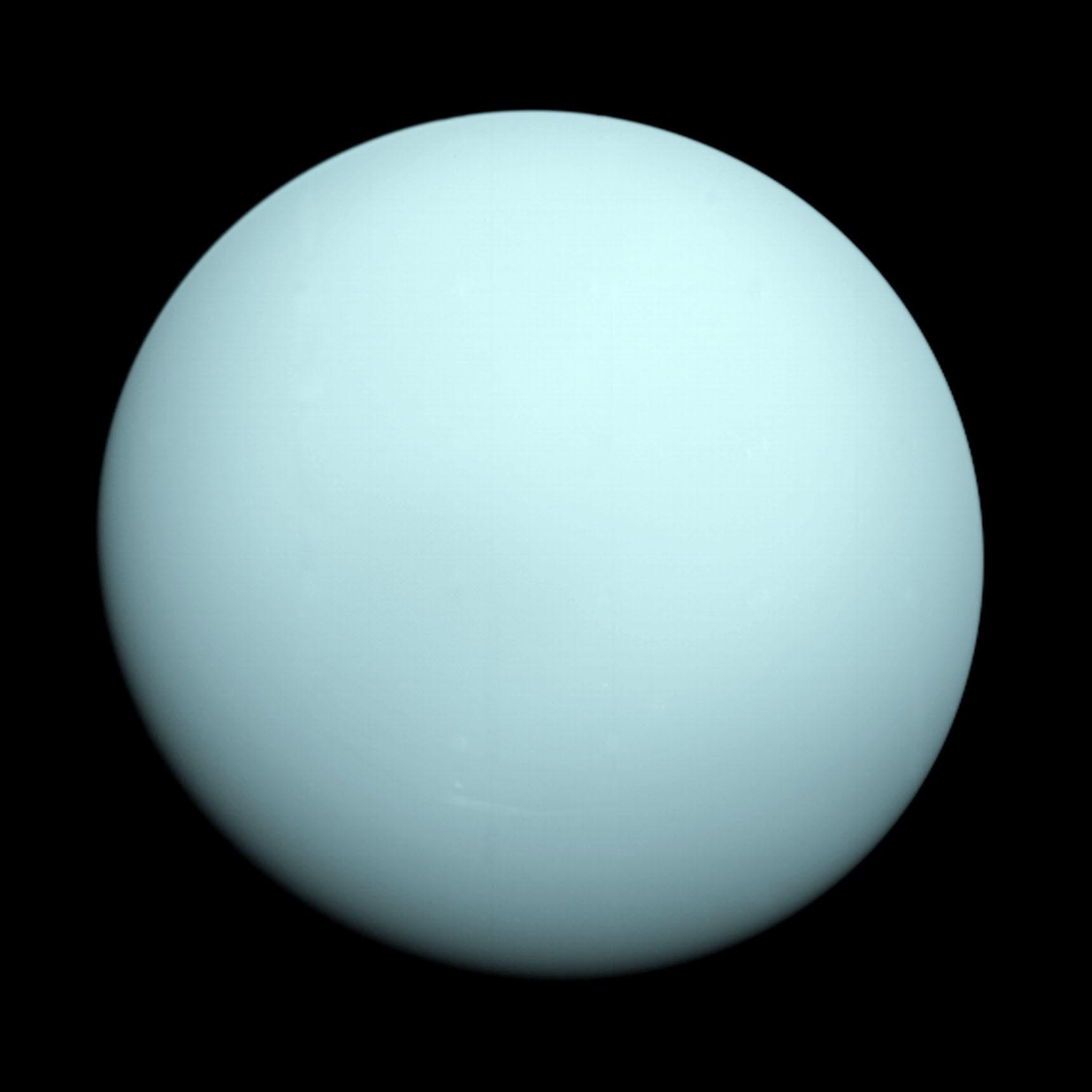 Uranus
|
Rotates on its side (98-degree tilt). | 19.2 AU | Hydrogen, Helium, Methane |
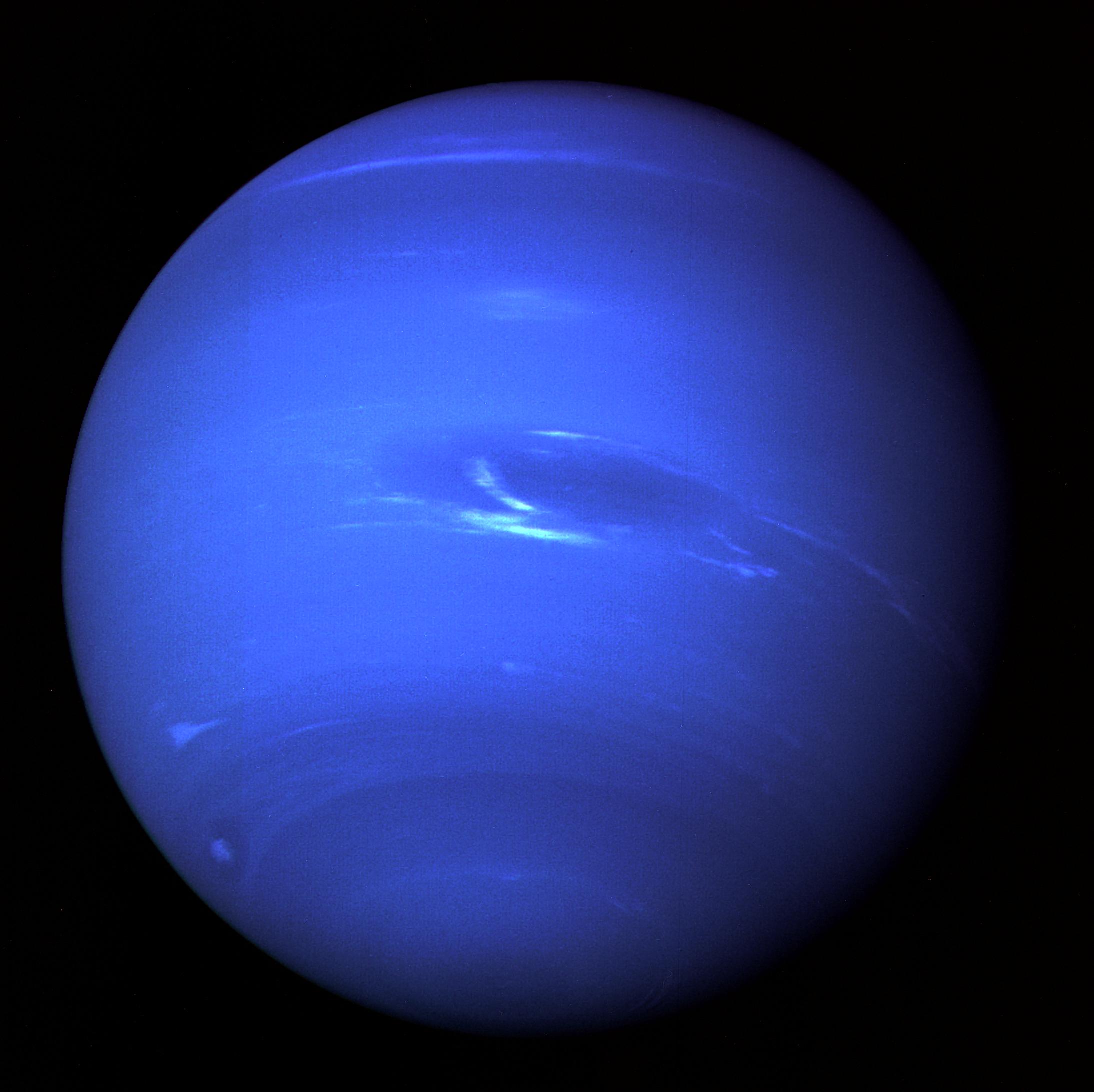 Neptune
|
Farthest planet; features strong, high-speed winds. | 30.1 AU | Hydrogen, Helium, Methane |
Dwarf Planets
These objects, such as Ceres, Pluto, and Eris, orbit the Sun and are massive enough to be nearly round due to their own gravity, but have not cleared their orbital path of other debris. They primarily reside in the Asteroid Belt and the Kuiper Belt. Read more about Dwarf Planets.
Asteroids
Small, rocky bodies orbiting the Sun, mostly concentrated in the Asteroid Belt between Mars and Jupiter. They are considered remnants of the Solar System’s formation. Read more about Asteroids.
Comets
Often referred to as “dirty snowballs,” comets are icy bodies that originate in the cold, outer reaches of the Solar System (Kuiper Belt and Oort Cloud). As they near the Sun, the ice sublimates, forming a bright coma and a dust tail. Read more about Comets.
* All images on this page: Credit NASA / JPL